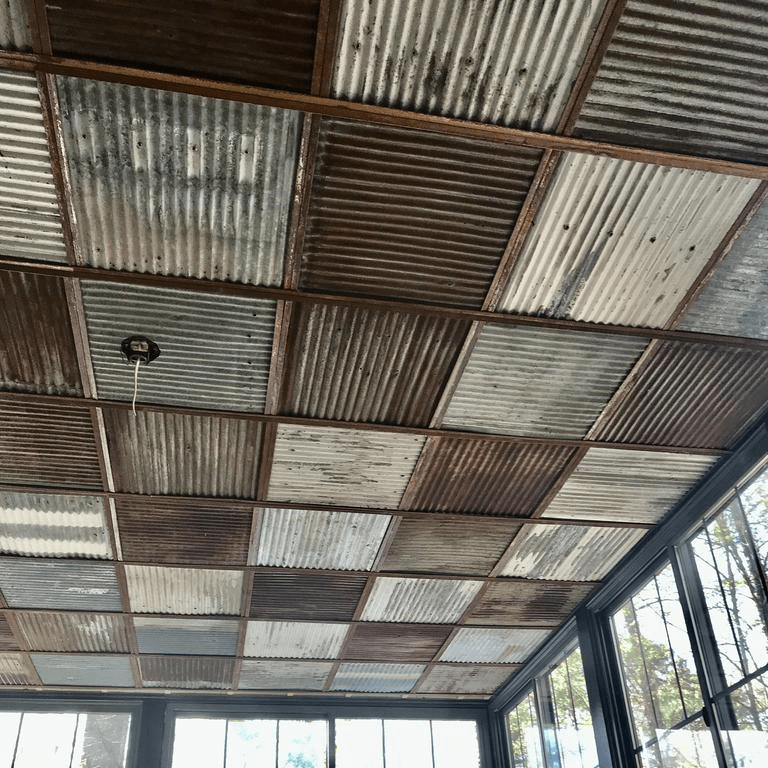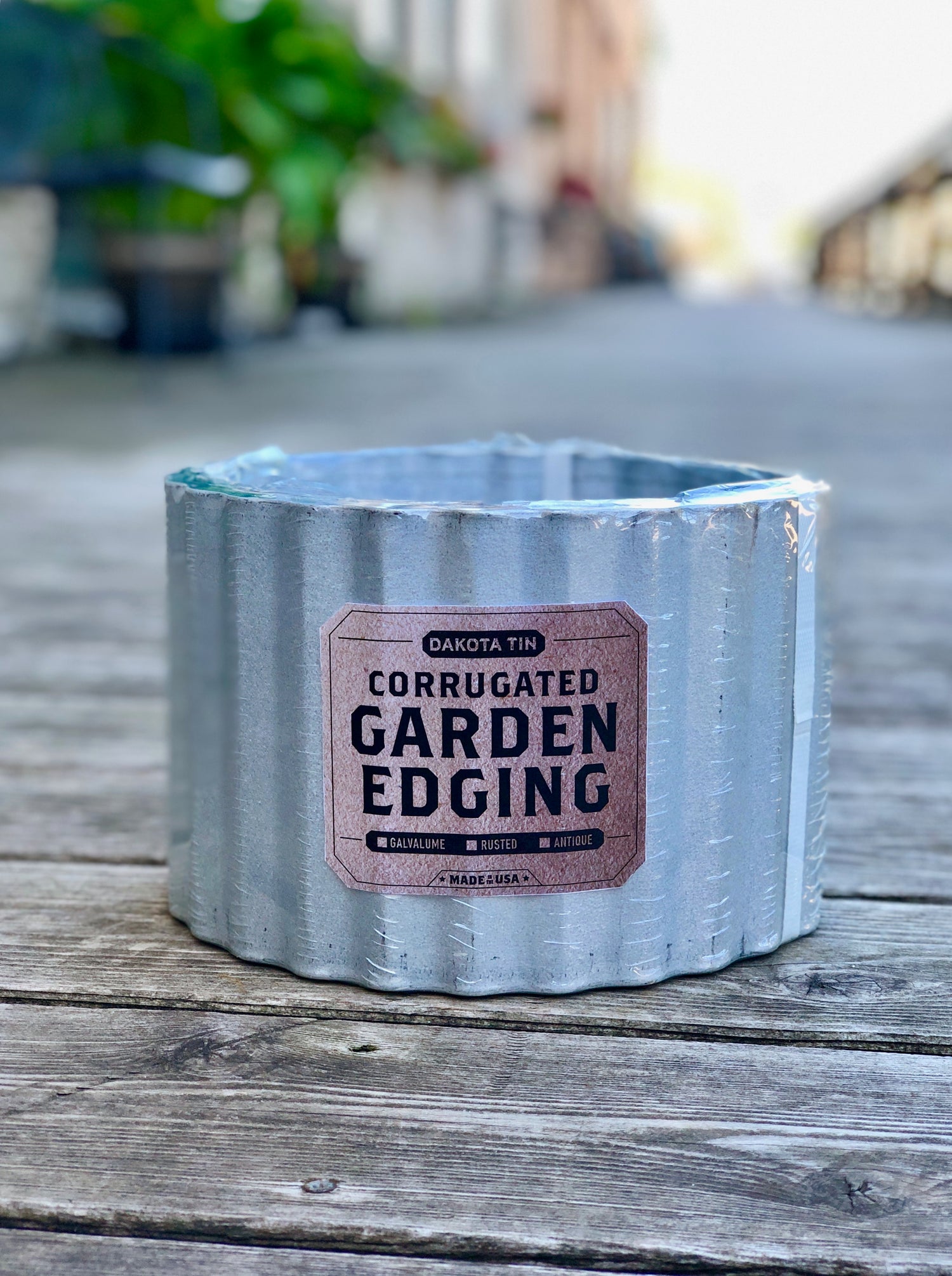
Many buyers searching for 12-inch tall landscape edging assume all options perform the same, or at least similarly. The products look the same when installed, so what does material quality or thickness have to do with it?
The reality, when it comes to researching and comparing product brands, is that the cheapest option upfront isn’t always the cheapest long-term. When shopping for landscape edging, especially ones as tall as 12 inches, the quality of the material determines how much it withstands seasonal wear (remember, edging will be constantly exposed to the elements and will have to endure regular ground maintenance, such as weed-whacking). Higher-quality materials ensure you won’t have to repair or replace any sections of edging over time.

Why 12-Inch Tall Landscape Edging Isn’t All the Same
The 12-inch height changes everything. Some things you must consider are:
-
Increased soil pressure due to more vertical weight.
-
Greater stress on the entire length of the edging over time.
-
Ability to stand tall for years exposed to the elements and not begin warping.
Materials and thickness matter much more at this height than with shorter edging. Therefore, when you begin your research, focus on the value of the product, not just the sticker price. Higher-quality materials will save you money over time.
Options available for 12-inch edging:
-
Metal - the most durable of the bunch. Depending on the quality, it will last you seasons of wear and tear.
-
Plastic / Resin - these two options are flexible and affordable, and can easily follow curves. But flexible one way also means flexible in others, which makes these prone to warping over time.
-
Concrete / Stone - If you are looking for a permanent landscaping solution that adds architectural detail, then these materials are the way to go. They will last for years, but that can also be a downside if you ever want to change or adjust your landscaping.
-
Wood - while this option is less typical, it is available, although not a durable choice. They do give a great, natural look.
“Cheaper” 12-Inch Tall Landscape Edging Options (and the Real Cost)
Plastic / Resin Edging:
-
Lower upfront price
-
But some hidden costs:
-
Warping, cracking, or popping out of its place.
-
Short lifespan
-
Replacement and reinstall time.
-
This is why plastic or resin edging is often replaced within a few seasons.
Thin-Gauge Metal Edging:
-
Often priced just below heavy-duty metal.
-
Common problems:
-
Bends during installation.
-
Buckles under soil pressure.
-
Can corrode faster.
-
With bending and buckling, these tend to get replaced after a few seasons.
Wood Edging:
-
Priced moderately to high, depending on the wood species.
-
The downsides:
-
Prone to rot and decay. Wood is an organic material, and the constant contact with soil and moisture leads to rot over time. Even pressure-treated lumber will eventually break down, especially in wet climates or irrigated beds.
-
Susceptible to pests. Wood edging can attract termites, carpenter ants, and other insects. In some cases, it can even become a pathway for pests toward nearby structures.
-
Appearance degrades over time. Even if it starts out attractive, wood typically fades, stains, or grows mildew.
-
While wood will last longer than the other two, it is still functional for only a few years, then you’re in for an expensive repair.
The Option That Saves Money Over Time
If you want to save your money and enjoy a look that actually gets better with time, heavy-duty metal landscape edging is your choice.
While there may be higher upfront costs, that money is well spent. Metal edging is built for:
-
Long runs of edging.
-
Sloped areas.
-
Raised garden beds.
-
Permanent landscape installations.
Why it’s a better value:
-
No need for frequent replacements.
-
No re-installation labor.
-
Maintains clean lines year after year.

Compare and Contrast:
| Material: | Affordable: | Flexible: | Long-Lasting: | Permanent: | Attractive: |
| Plastic | ✅ | ✅ | |||
| Wood | ✅ | ||||
| Concrete | ✅ | ✅ | ✅ | ||
| Thin-Gauge Metal | ✅ | ✅ | ✅ | ||
| Heavy-Duty Metal | ✅ | ✅ | ✅ | ✅ |
How to Compare Prices the Right Way
To make things easy, we came up with a simple value checklist.
Keep in mind while shopping:
-
Thickness vs price per foot.
-
Expected lifespan.
-
Replacement frequency.
-
Labor/time to reinstall failing sections.
-
Long-term appearance.
When you look at the full lifecycle cost, higher-quality edging almost always comes out ahead.
Choosing the right 12-inch landscape edging comes down to durability, performance, and long-term value. While cheaper materials may seem appealing upfront, they often lead to repairs, replacements, and frustration.
Heavy-duty metal edging delivers lasting structure, clean lines, and a finished look that holds up season after season.
Explore the full range of Dakota Tin patinas and order 12-inch landscape edging built to last, so you can edge once and enjoy it for years to come: https://www.dakotatin.com/products/garden-edging